Stamp duty concessions for first home buyers, by state
Transfer duty is still one of the largest cheques a first home buyer writes. Concessions and exemptions differ by state and territory, by price, and by whether the home is new. This is the working map, not a substitute for the revenue office.
By Priya Raman, Policy correspondent · 5 March 2026 · Updated 15 October 2026 · 5 min read
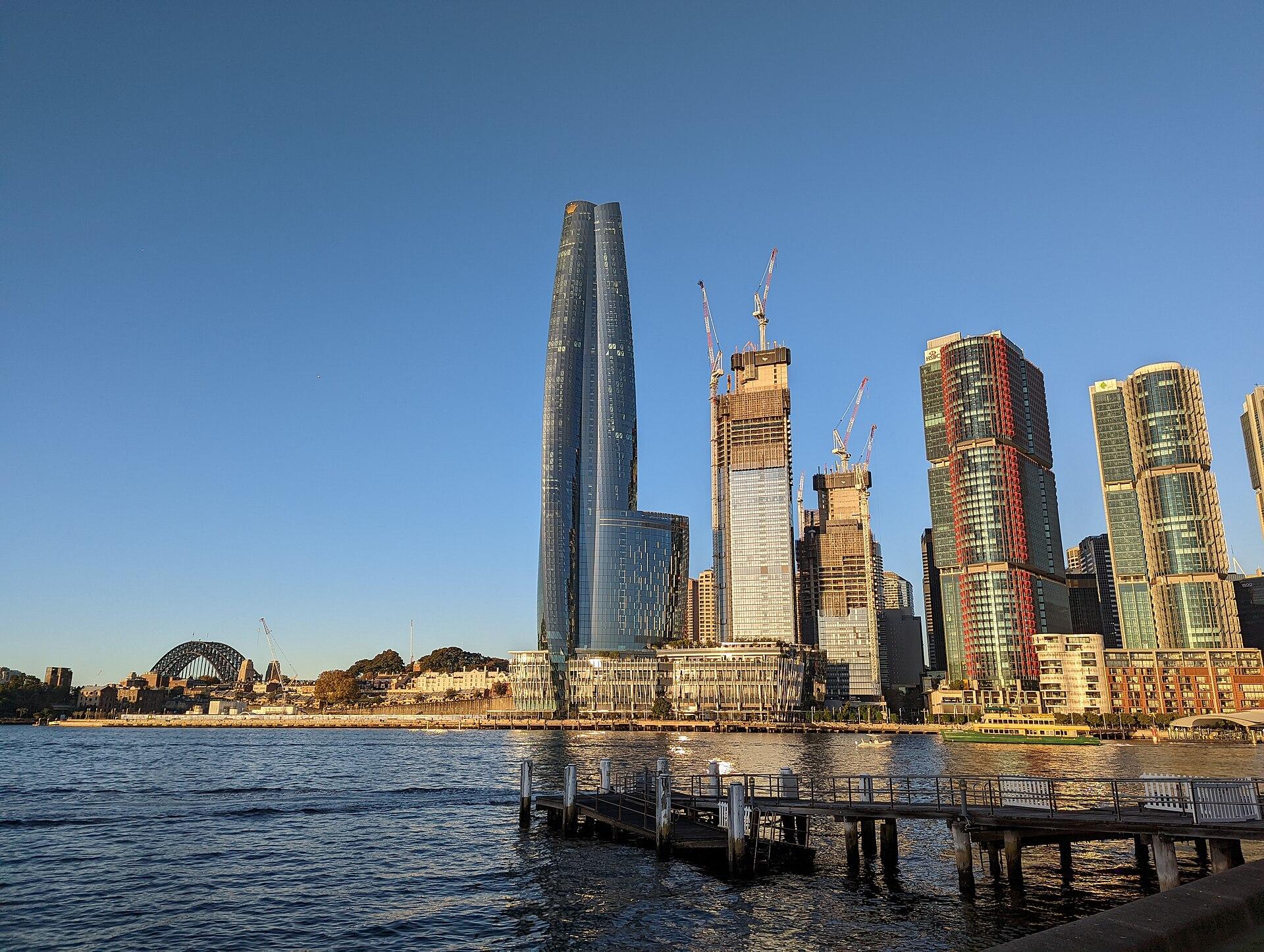
Photo: Mary and Andrew, Wikimedia Commons, licensed CC BY 4.0. See all image credits.

Stamp duty — transfer duty, land transfer duty, call it what your state calls it — is the bill that makes a '5 per cent deposit' feel like a fiction. It is a state tax. Canberra can invent guarantees; it cannot write a uniform duty exemption. So first home buyers face eight different systems, each with thresholds that politicians like to move in budget week.
This article is a map of how to think about duty and a snapshot of the pattern of concessions as they stood in the 2025–26 policy cycle. Thresholds move. Before you bid, open the state revenue office calculator, not a group chat.
The pattern, if there is one
Most jurisdictions either:
- exempt duty entirely under a price cap for eligible first home buyers; or
- charge a concessional rate that tapers to full duty; or
- treat new homes more kindly than established homes; or
- do something peculiar (the ACT has spent years replacing stamp duty with land tax, which is a different philosophy).
Eligibility usually wants you to be a natural person, to occupy the home as a principal place of residence within a time limit, and not to have owned property before (with limited exceptions). Permanent residency and citizenship tests appear. Trusts and companies are generally uninvited.
New South Wales
NSW has used a first home buyer duty exemption up to a cap (recently in the $800,000 neighbourhood for established homes, with a higher cap for new homes at times) and a concession in a band above that. The numbers are political footballs. Use Revenue NSW. Off-the-plan and vacant land have their own twists. If you are bidding in Western Sydney at $900,000, do not assume you are exempt because a podcast said 'first home buyers pay no stamp duty in NSW'.
Victoria
Victoria's first home buyer duty relief has been an exemption up to a threshold (often cited around $600,000) and a concession up to a higher cap (around $750,000 in recent settings), with the rest of the market paying full duty that is itself among the heavier regimes. Regional Victoria sometimes gets extra treatment. Occupancy is not a suggestion.
Queensland
Queensland's transfer duty concessions for first home buyers have used both a home concession and additional first home concessions that can reduce duty to nil under a cap, with a sliding concession above it. Houses and vacant land are treated differently. Check Queensland Revenue Office and whether your 'house' is a home or land for duty purposes.
Western Australia
WA, where this masthead began, has long exempted duty under a cap and concessioned a band above it, with different thresholds for north of the 26th parallel. Metropolitan Perth caps have historically sat lower than eastern-state political rhetoric. A $650,000 first home in a Perth suburb can still attract duty. The Department of Finance calculator is the source.
South Australia
SA has moved toward more generous first home treatment on new homes in particular, including periods of nil duty for eligible new dwellings. Established homes may not share the same generosity. If your search is a 1960s bungalow in the inner north, do not borrow a new-home headline.
Tasmania, Northern Territory, ACT
Tasmania has offered substantial discounts on homes under a cap, sometimes incompatible with taking the first home owner grant — a nasty either/or. The NT has used different tools, including house-and-land packages and less first-home-specific duty relief. The ACT's duty system is being wound down in favour of general rates; first home buyer settings still exist as concessions on the remaining duty. Read the ACT Revenue Office, not a mainland blog.
Duty, grants and the deposit
Duty is due in cleared funds. Grants, if you get one, may arrive after settlement. Do not cash-flow a grant you have not been approved for. See grants by state.
A $40,000 duty bill on top of a 5 per cent deposit is why some households wait for a concession threshold, buy new instead of established, or choose a cheaper LGA. That is a legitimate strategy. Moving 40 minutes further out only to chase a concession is a lifestyle decision wearing a tax costume.
Worked example
NSW established home at $720,000, eligible first home buyer, assuming an exemption cap of $800,000 in force: duty might be nil. The same buyer at $880,000 might be in a concession band paying a reduced but non-zero amount. A non-first-home-buyer at $720,000 would pay full duty in the tens of thousands. The eligibility test is doing tens of thousands of dollars of work. Getting it wrong — joint purchase with a sibling who owned a unit at 23 — is an expensive surprise.
Practical steps
- Run the official calculator with the exact dutiable value, including any included chattels rules your conveyancer flags.
- Tell the conveyancer you are claiming a first home concession at contract, not at the barbecue after settlement.
- Diary the occupancy deadline.
- If the purchase is off-the-plan, ask which year's thresholds apply — contract date versus completion date can matter.
Duty is not a lender product. It still belongs in every first home buyer budget. When in doubt, the revenue office ruling beats this journal, and we will update the piece when they move the goalposts again.
Off-the-plan and the date that matters
Some concessions look at the contract date, some at completion, some at both. A two-year off-the-plan wait can cross a budget that abolishes your concession. Ask the conveyancer which date the revenue office will use, in writing. If a developer is marketing 'no stamp duty', read whether that is a first-home concession you must qualify for or a vendor incentive.
Dual occupancy, granny flats, and 'two dwellings'
Duty and first-home definitions can stumble when the property is two dwellings on one title. You may be buying a home plus an income unit, which can change occupancy tests and caps. This is solicitor territory.
Foreign-person surcharges
First home concessions and foreign-purchaser surcharges are different knobs. Temporary residents can meet ugly extra duty in some states. If your visa is not citizenship or PR, do not assume the first-home brochure applies. Revenue offices publish foreign-person pages; they are not light reading, but they are cheaper than a reassessment.
People also ask
- Do first home buyers pay stamp duty in Australia?
- It depends on the state or territory, the dutiable value, and sometimes whether the home is new. Some buyers pay nothing, some pay a concessional rate, and some pay full duty. There is no single national exemption.
- Is stamp duty the same as the first home owner grant?
- No. Duty is a state tax on the transfer. Grants are usually separate payments, often limited to new homes. You can receive one, both, or neither.
- When is stamp duty due?
- Usually around settlement, via your conveyancer. Unpaid duty can delay registration of the transfer. Budget for it as cleared funds, not as 'we'll sort it later'.
Related guides
- First home buyer grants in Australia, state by state
The First Home Owner Grant is a state payment, usually aimed at new homes, and it is not the same thing as a stamp duty concession or a Commonwealth guarantee. Here is how the pieces fit.
- First home buyer guide for Australia
A full-path guide for Australian first home buyers: savings, borrowing power, schemes, stamp duty, the contract, and the settlement day that still feels like a film set.
- How much deposit do you need for a home loan in Australia?
The honest answer is: enough to satisfy the lender's LVR, plus costs, plus a buffer. Twenty per cent is a pricing threshold, not a moral one. Five per cent is possible with the right scheme and a strong stomach.
- The 5 per cent deposit scheme and First Home Guarantee, explained
Housing Australia's guarantee products let eligible buyers purchase with as little as 5 per cent deposit without paying LMI. They are not a gift, not automatic, and not a reason to stretch to the last dollar of borrowing power.
More in First home buyers · All articles