Credit scores and home loans in Australia
A credit score is a bureau's summary, not a lender's decision. Home-loan credit teams still read the file: defaults, enquiries, repayment history, and whether your score was damaged by a phone plan you forgot.
By Priya Raman, Policy correspondent · 1 March 2026 · Updated 22 August 2026 · 5 min read
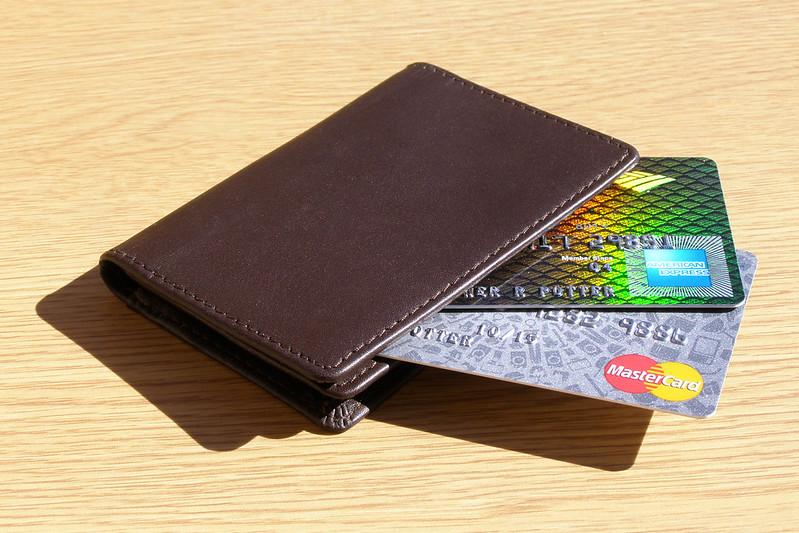
Photo: Chris Potter, Wikimedia Commons, licensed CC BY 2.0. See all image credits.

Australia's credit-score industry has spent a decade turning a bureaucratic file into a gamified number. Home-loan lenders still use bureaus — Equifax, Experian, illion — but they do not approve mortgages because an app showed you a rocket. They read the file: who you have borrowed from, whether you paid, how many times you asked, and whether a telco default from 2023 is still sitting there like a wet towel.
This guide is about the file, the score, and the practical hygiene before a home-loan or refinance application.
Scores are bureau-specific
There is no single Australian credit score. Each bureau has a model and a range. A lender may use one, or a blend, or their own scorecard that takes bureau data as an input. Comparing your Equifax number to a mate's Experian number is folklore.
What travels between them is the underlying conduct: accounts, enquiries, defaults, bankruptcies, court judgments, and (under comprehensive credit reporting) repayment history on participating accounts.
What actually bothers a home-loan assessor
- Recent missed repayments on any credit.
- Defaults, especially unpaid.
- A stack of enquiries in a short window (the 'declined everywhere' pattern).
- High utilisation on cards.
- Discharged bankruptcy or other insolvency events inside the waiting periods lenders set.
- Mismatched names and addresses that make the file look like three people.
A thin file — not much credit history — can be as awkward as a bruised one. First home buyers with only a debit card need other ways to show conduct: rent, savings, sometimes a small credit product used well. Do not open three cards to 'build credit' the month before you apply.
Comprehensive credit reporting
CCR means repayment history can show on the file, not just defaults. Paying on time helps. Paying 14 days late, repeatedly, is visible. Set direct debits a few days after pay day, not the day before, if your employer is chaotic.
Enquiries
Each hard application can appear. Shopping for car insurance is not the same as shopping six personal lenders. For home loans, a cluster of applications looks like you were declined (even if you were just curious). Use broker versus bank deliberately: a broker may enquiry as they search, depending on process; ask how they manage it.
Refinance shopping should be research-then-apply, as in our refinance steps.
Defaults and 'paid' defaults
Paying a default does not always delete it; it may mark it paid. Some lenders want two years of clean conduct after a default. Non-bank lenders may proceed at a higher rate. Do not take a 'bad credit home loan' ad at the from-rate. Read our general warning on personal-loan from-rates; the same theatre exists in non-conforming mortgages.
If the default is not yours — mixed file, identity issue — raise a dispute with the bureau and the lister. Do this before you apply.
Worked hygiene list (do this a month out)
- Get your file from each major bureau via consumer access.
- Correct errors.
- Pay down cards; cut limits if borrowing power needs it.
- Do not apply for a whitegoods card at the yard.
- Do not change your name on a whim mid-process.
- If self-employed, tax lodgements up to date matter more than the score anyway.
Score apps
Some are legitimate bureau front-ends; some are lead-gen. You do not need to pay a subscription to access your file. You do need to read the PDF, not just the colourful number.
A credit score is a summary. Lenders still read. Give them a file that looks like a person who pays for things, then apply once.
Rent reporting
Some services now report rent to bureaus. It can help a thin file. It can also report missed rent. If your landlord is chaotic with receipts, think before you opt in. A clean savings history plus a letter from a managing agent can still work at some lenders without a new fintech layer.
Identity mix-ups
Junior/senior, married names, and a previous address in a shared house with a flatmate who defaulted are classic mix-ups. Dispute early. Bring passport and a rates notice. Do not apply 'to see' while the file is mixed.
Non-conforming does not mean doomed
If a default is real and recent, a specialist lender may still house you at a price. Use a broker who actually places those files. Read the exit: when can you refinance to prime? If the answer is 'never', the price is not a bridge.
30 days of boring conduct
No new accounts, no missed anything, no limit increases, no 'buy now' at a yard. Pay everything a few days early. Export statements. Then apply. Credit files are not moral judgements; they are patterns. Give them a quiet pattern.
If a subscription credit-repair firm promises deletion of accurate defaults, keep your money. Dispute errors; pay or wait out truths.
After a decline
Ask whether it was serviceability, credit, or security. A decline is a data point. Fix the file, wait if you were told to wait, and do not spray applications. One well-aimed second try beats six angry ones.
Brokers who specialise in non-conforming credit should explain the price and the path back to prime. If they cannot, they are selling a trap.
Documents to bring, and a last caution
When you sit down with a lender, broker, packager or yard manager, bring bureau files from each major agency, explanation letters for any defaults, and 90 days of clean statements. If they will not look at paper, they are selling speed. Speed is expensive in Australian credit.
Write down the thing you are afraid to ask — the fee, the balloon, the HELP treatment, the break cost — and ask it first, while you still have the nerve. The second conversation is always weaker. If the answer is vague, you do not have an answer.
This desk would rather you delay a week than sign a contract whose comparison rate you cannot explain to a friend. ASIC's MoneySmart remains the public-interest spare brain: use it the night before, not the morning after. And if the product only works on overtime that is not in your contract, it does not work. Buy a smaller thing, or wait. Waiting is still allowed.
People also ask
- What credit score do I need for a home loan in Australia?
- There is no public pass mark. Many prime lenders like to see scores in the good-to-excellent bands, but a clean file with a middling score can beat an excellent score with a recent default. Non-conforming lenders exist at a price.
- Does checking my own credit score hurt it?
- A self-check through a consumer access channel is typically a soft enquiry and does not harm the score the way a lender's credit application does.
- How long does a default stay on my credit file?
- Generally five years for many default listings, with some listings having their own rules. Paid defaults still visible can affect pricing. Get advice if the listing is wrong.
Related guides
- How lenders calculate borrowing power in Australia
Borrowing power is a credit-policy output: assessable income, haircut, expenses, existing commitments, HEM versus your statements, and a serviceability buffer on the proposed rate. The homepage calculator is theatre.
- Personal loan vs credit card in Australia
A personal loan is a lump sum with an end date. A credit card is a revolving limit that can follow you for years. The cheaper option is the one whose structure matches the expense — and that you will actually retire.
- How to refinance a home loan in Australia, step by step
A practical sequence for switching Australian home loans: file hygiene, comparison, application, valuation, discharge and the first repayment on the new account.
- Mortgage broker vs bank: how to choose in Australia
A broker is a search and a file-builder paid by lenders; a bank is a single credit box. Neither is free of incentives. Choose based on the complexity of your file and your willingness to shop.
More in Borrowing power · All articles