Personal loan vs credit card in Australia
A personal loan is a lump sum with an end date. A credit card is a revolving limit that can follow you for years. The cheaper option is the one whose structure matches the expense — and that you will actually retire.
By James Whitfield, Consumer credit editor · 29 January 2026 · Updated 8 August 2026 · 5 min read
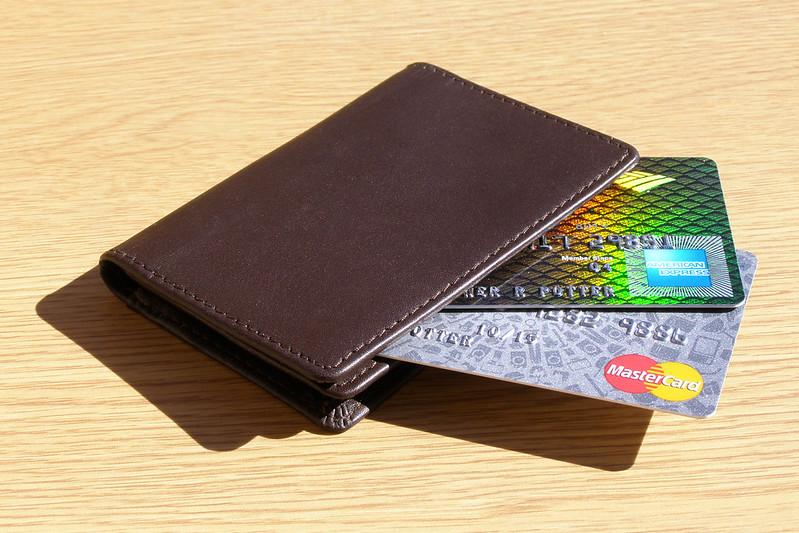
Photo: Chris Potter, Wikimedia Commons, licensed CC BY 2.0. See all image credits.

Australian households reach for credit cards because they are already in the wallet, and for personal loans because a comparison site said 8.99 per cent. Both can be the wrong tool. A card is a revolving limit. A personal loan is a closed-end contract. That structural difference matters more than a 2 per cent rate gap.
This guide is a comparison of use-cases, costs, and the behavioural traps each product sells. It sits next to our secured versus unsecured and rate pieces.
How a personal loan behaves
You borrow a fixed amount — $4,000 to $50,000 on many unsecured products, sometimes more if secured — and repay it over 1 to 7 years. Interest is usually lower than card rates. There may be an establishment fee. Extra repayments can be free or penalised; early payoff can trigger an early-termination fee. When it is done, it is done, unless you refinance it.
That end date is the product's moral advantage. You cannot 'revolve' a personal loan without signing a new one.
How a credit card behaves
You get a limit. You spend. If you clear the closing balance by the due date, you often pay no interest on purchases (cash advances are a different, uglier animal). If you do not, interest can sit in the high teens or more, and the minimum repayment is designed to last into the next decade.
Lenders assess a large portion of the limit, not the current balance, when they calculate borrowing power. A $20,000 unused card still hurts a home-loan application. That is a hidden cost of keeping 'just in case' plastic.
Price the whole contract
Take $12,000 for a car repair.
Card at 19.99 per cent, paying $300 a month: you will be there for years, and the interest dwarfs the repair. Personal loan at 11.5 per cent over four years plus a $250 fee: the monthly figure is knowable, the end date is knowable. The loan wins if you would have revolved.
Now take $2,400 for flights you will reclaim from a tax refund in nine weeks. A card with a 55-day interest-free period, paid in full, costs $0 in interest. A personal loan's establishment fee would be a silly way to buy those tickets.
The expense's shape decides the product.
Fees and friction
Personal loans: establishment, monthly fees on some products, early exit, late fees. Cards: annual fees, foreign-exchange loadings, late fees, cash-advance fees. A $0 annual fee card that you revolve is not free. A $99 annual fee rewards card paid in full can be a net positive if you value the points honestly — most people overvalue the points.
Discipline is part of the APR
If you will spend a residual card limit, the personal loan's lack of a limit (after drawdown) is a feature. If you need a float for irregular business expenses and you really do clear it, the card is a feature. Be honest in a way you would not be on social media.
Security and hardship
Cards are unsecured. Unsecured personal loans are too. Secured personal loans can put a car on the line. Neither is as grave as putting the same spending on a home loan, but missed repayments still land on the credit file and still attract collections.
Hardship: both products fall under consumer credit law. Call early. Do not wait for default.
Worked comparison
$10,000 holiday, cannot pay in 55 days.
- Card 20 per cent, $200/month: years of interest, total repayments well above $10,000.
- Personal loan 10 per cent, 3 years, $150 establishment: roughly $320 a month, done in 36 months, total interest in the mid hundreds to low thousands depending on the exact rate.
If the holiday is optional, the cheapest product is not going. If it is a family funeral in Perth and you live in Townsville, credit is why these products exist. Use the one that ends.
Practical rule
Known amount, cannot clear quickly: personal loan, shortest term you can service, extra repayments allowed. Unknown or short: card, paid in full. Revolving card debt already on the statement: a consolidation loan, then a funeral for the limit.
ASIC's MoneySmart credit-card and personal-loan pages remain the official plain English. This desk will add only this: the product that is already in your pocket is not, by that fact, the right one.
Interest-free deals and the revert
Retail '24 months interest free' is a credit contract with a revert rate that looks like a card. If you will clear inside 24 months, it can beat a personal loan's establishment fee. If you will not, you have a high-rate balloon of leftover principal. Put the payoff date in a calendar on day one.
Medical, funeral, and 'necessary' credit
Necessary expenses still deserve the cheaper structure. A personal loan with a finish date is usually kinder than a hospital-branded card. Ask the hospital about payment plans before you originate anything. Some are cheaper than both.
Joint cards versus joint loans
A joint card is a joint limit in both files. A joint personal loan is a joint instalment. When a relationship ends, both are messy; the card's revolving nature is messier. If you are already uneasy, do not add joint revolving credit.
A decision tree you can screenshot
Is the amount known? No → card, pay in full, or do not spend. Yes → can you clear in one or two cycles? Yes → card. No → personal loan, shortest serviceable term, extra repayments on. Already revolving on a card? → consolidation loan plus closure, not a second card.
If the tree says 'do not spend' and you hate that, the product is not the problem. MoneySmart's budgets are unfashionable because they work.
Store cards and 'easy' applications
Yard whitegoods cards and clothing-store cards are credit cards in a costume, often with ugly rates and a hard enquiry. They wreck home-loan files for a fridge. If you need the fridge, a small personal loan or cash is usually cleaner. If you do not need the fridge, leave the store.
Your future assessor will not be moved by how nice the salesperson was.
People also ask
- Is a personal loan cheaper than a credit card?
- Usually the advertised rate is lower, but establishment fees and a longer term can erase the win. A card paid in full each month can be the cheapest credit in the country. A card that revolves at 20 per cent is almost never cheaper than a personal loan used to kill it.
- When is a credit card the better tool?
- For short-term cashflow you can clear inside the interest-free period, for consumer protections on large purchases, and for travel if you repay. Not for a $15,000 renovation you will still be looking at in 2029.
- Can I use a personal loan to pay off a credit card?
- Yes — that is a common consolidation use. Close or cut the card limit afterwards or you will own both debts by Christmas.
Related guides
- Secured vs unsecured personal loans in Australia
A secured personal loan is cheaper because something you own — often a car — can be sold if you default. Unsecured costs more and leaves the asset out of it. The rate gap is the price of that risk.
- Personal loan interest rates in Australia, explained
The 'from' rate in a personal-loan ad is a best-case price. Your rate is a risk score, a comparison rate, and a set of fees that can make 9 per cent more expensive than 11.
- Using a personal loan to consolidate debts
A consolidation personal loan can cut interest and set a finish date — if the rate is genuinely lower, the term is not absurd, and the old credit is closed. Otherwise it is a new layer on the same habit.
- Consolidating debts into a home loan in Australia
Rolling credit cards and car loans into the mortgage can cut the monthly figure and raise the lifetime cost. It also puts the house behind debts that used to be unsecured. Proceed with a pencil, not a slogan.
More in Personal loans · All articles